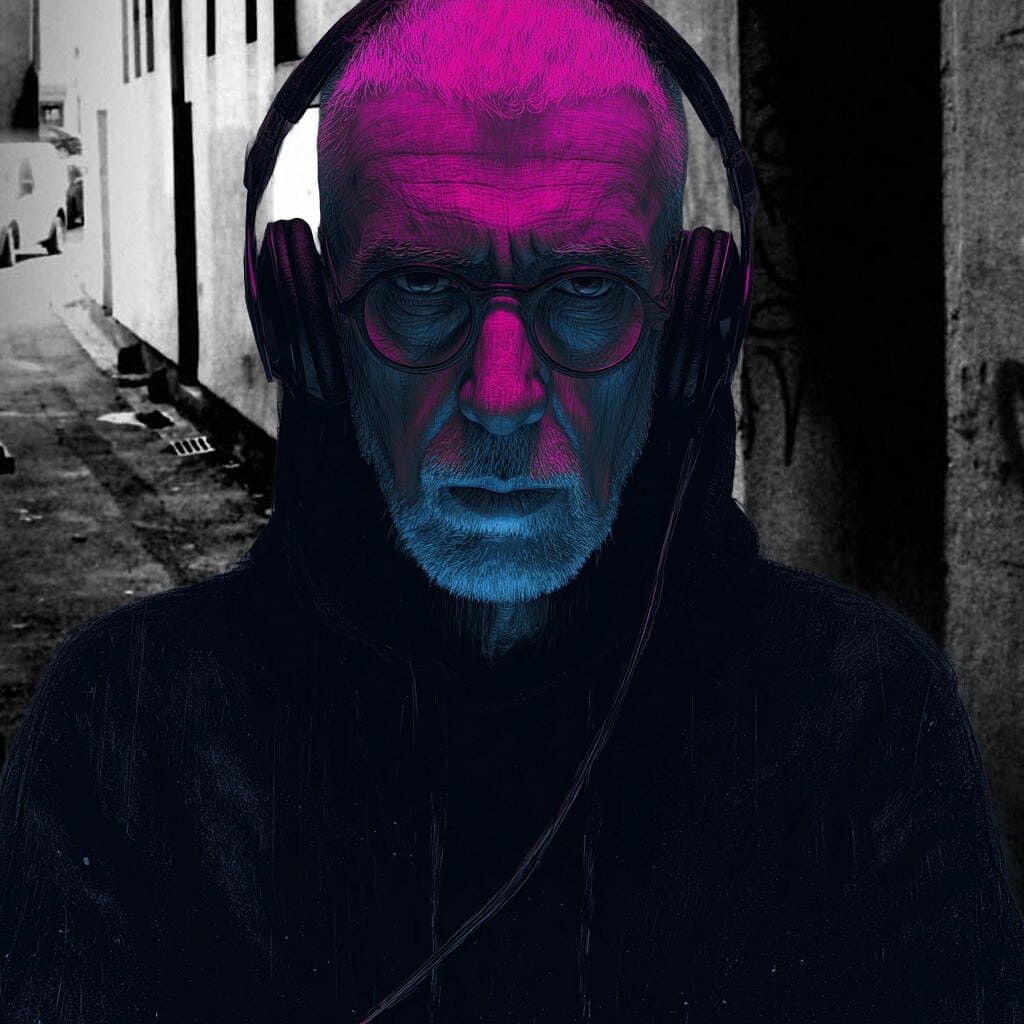
"A few years ago, I filmed myself making a short documentary about disability rights at an exhibition in Manchester for a design module assignment. Revisiting it now, it's still the tenet everything else stands on."
A few years back, for a design module assignment, I got on a train to Manchester with my crutches and a camera to go and stand in front of an exhibition called Nothing About Us Without Us — a major show on disability rights activism at the People's History Museum. Everything that came out of that trip, unscripted, on the day, still holds up. Some of it holds up harder now than it did then.
I want to put it back on the record, because I think it's time we said it plainly again as a tenet, not a memory.
Why I went
The course material had plenty of examples of designing "for people." What it didn't have was me in it. It didn't have the disabled community in it. And a message like Nothing About Us Without Us has to be central to designers — not a footnote, not a case study, central — so I made the trip to go stand in front of it and say so on camera. Not just about disability, either. Ethnicity, gender, body size, all of it — there's a whole category of "issues related to diversity" the material simply wasn't addressing.
"Empathetic design" makes me recoil
I said this on camera, and I'll say it again: the term makes me recoil. It's well-meaning, and it's also patronising, paternalistic, Victorian-charitable — very privileged people trying to have empathy with others from a comfortable distance. Same with "participatory design." Great idea on paper. In practice it's researchers, students, businesses going out and finding a minority group, extracting a bit of input, and calling it inclusion.
"Other people" is doing more damage than anyone admits
"Designing for other people" is a phrase people write without thinking about what the word is carrying. "Other" is pregnant, saturated, heavy, dripping. Design should be for people — full stop. People who are disabled, who have impairments, who are disabled by a society that wasn't built for them, are people. Not other people. Good design is design that includes everyone; if something gets made more accessible, everyone benefits. But "othering" is the first step toward something worse. It's the on-ramp to demonising.
A stranger walked past me while I was filming that day and handed me a napkin. On it, she'd written the word "other" in speech marks. I didn't ask her to. That's the whole argument in one gesture.
Simulating disability isn't empathy
There's a design-school habit of putting non-disabled students in wheelchairs or blindfolds for an afternoon to "build empathy." Say it plainly, and it's a pretty gross statement — mocking up disability as a costume, then calling it education. It shouldn't be encouraged, and it definitely shouldn't be used as a substitute for the real thing. Empathy doesn't come from a simulation. It comes from actually talking to the people who live with the conditions your design decisions are going to land on, and building them into the process — not observing them for research.
Why this matters now
This is the tenet underneath everything else we argue at AOF. When we say AI should be understood and defended as an accessibility tool, that's Nothing About Us Without Us applied to a new technology. When we push back on "inspiration porn" being used to shame genuine achievement, that's the same principle — don't narrate disability from the outside, on someone else's behalf, using someone else's frame. Design, technology, and narrative all fail the same way when they're built about a community instead of with it.
Nothing about us, without us. Still true. Still the tenet.
— Art of FACELESS
ZINEGLITCH // DISPATCH
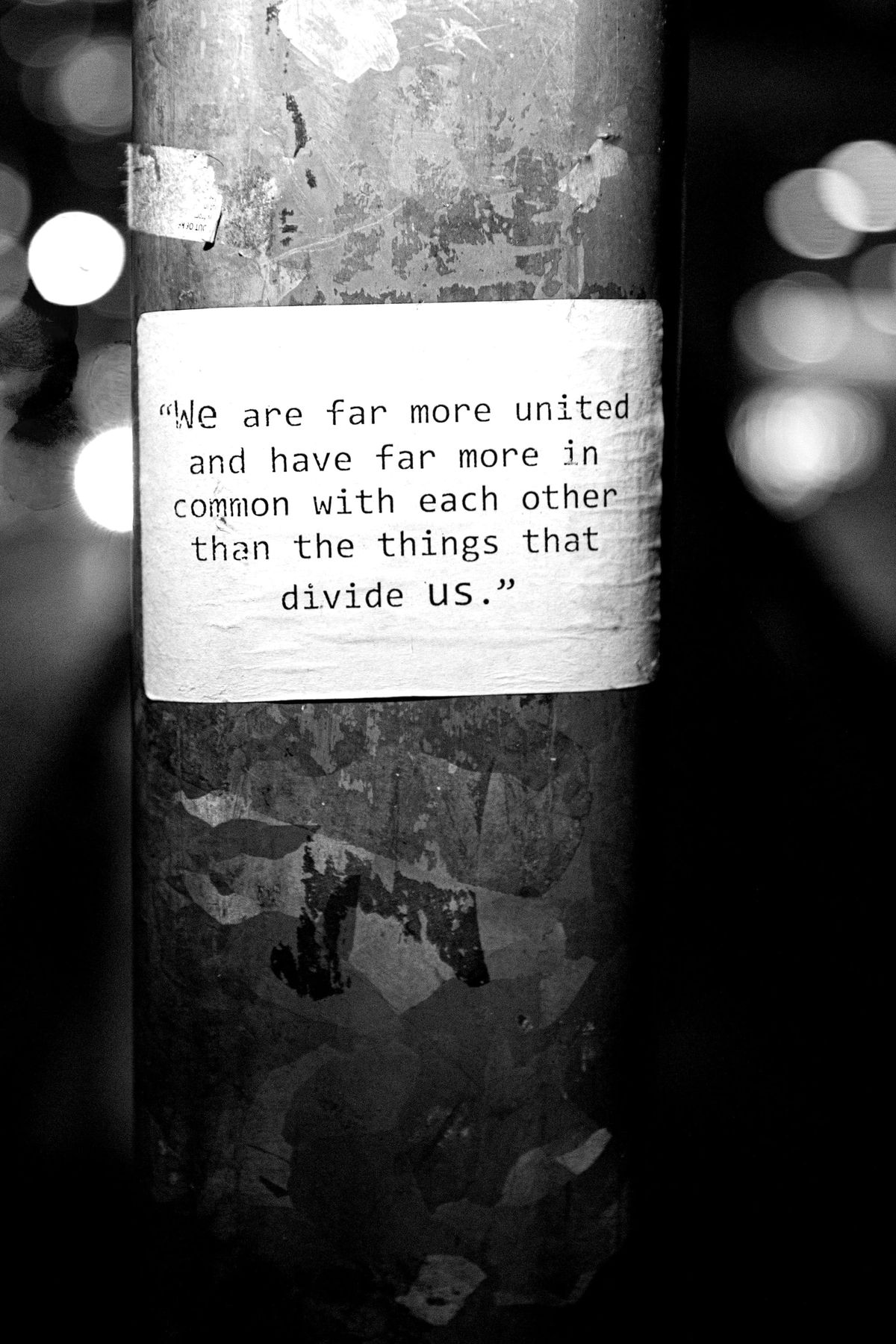
STOP READING FOR A SECOND. This node is 100% independent. No tracking. No ads. Powered purely by the Art of FACELESS creative collective and physical print distribution.
ACCESS PROTOCOL:
Drop your email to initialize your node, unlock the rest of this file, and support independent publishing.