Algorithmic Anomalies, The Spiral of Silence, and the Purity Police
Here on the ground in Cardiff, Wales, UK, the physical infrastructure is working. We are seeing tangible, face-to-face support from real people engaging with the rawness of the project. The work is being understood and discussed.
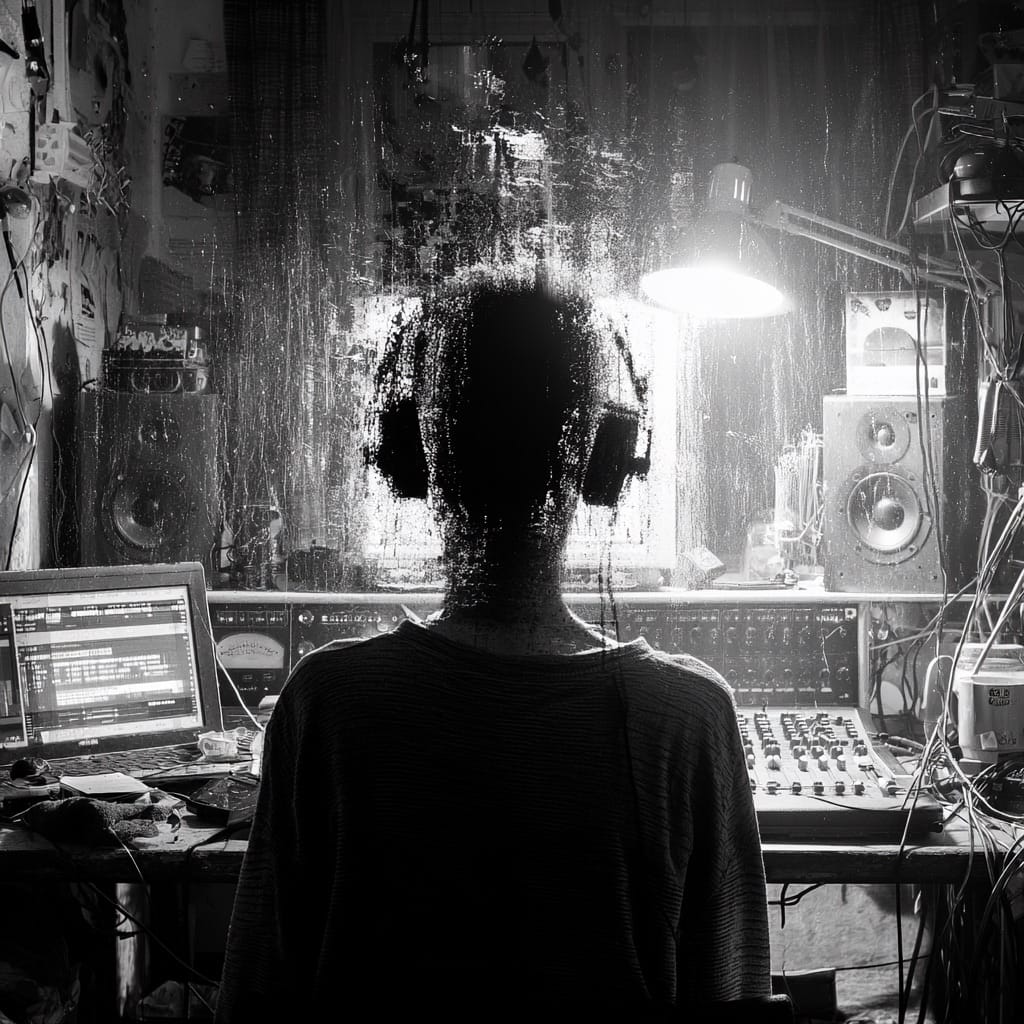
It has been a surreal 48 hours for the Ableist Purity broadcast. We are currently operating in a split reality: a bizarre digital hijacking on one front, and a profound, deafening silence on the other. Both demand a psychological dissection.
Let’s start with the anomaly. Over this weekend, the YouTube broadcast has spiked to over 8,000 views, becoming our most popular video, accompanied by an influx of a few hundred new subscribers. We didn't spend a single penny on advertising. The analytics revealed the track was forcefully injected into Google Ads as an unskippable in-stream placement. The most logical conclusion? A larger publication, likely one of the Substack channels that featured the release, is using our broadcast as the "hook" for their own paid subscriber acquisition campaign.
The result is objectively hilarious: a neuro-dark punk rap track about cognitive lock-in is currently being blasted to captive audiences in the middle of 36-minute heavy dumbbell fitness videos.
But strip away the injected ad spend and the subscriber bump, and a stark, deeply telling contrast emerges between the physical world and the digital echo chamber.
The Ground vs. The Grid
Here on the ground in Cardiff, Wales, UK, the physical infrastructure is working. We are seeing tangible, face-to-face support from real people engaging with the rawness of the project. The work is being understood and discussed.
But online? Across Bluesky, Mastodon, and Instagram, the grid has gone entirely dark.
We published The Purity Police Can Choke on Their Pearls. We utilised the 'Disability' tags. In the current social ecosystem, that specific metadata usually triggers an automated wave of algorithmic solidarity. Progressive spaces on the Fediverse and Bluesky typically trip over themselves to amplify disabled voices.
Yet, the net result was a single like from one fellow disabled artist on Bluesky. Everyone else is refusing to attach their names to the broadcast.
The Psychology of Paralysis
This silence is not an algorithmic failure; it is a psychological freeze response. When the grid goes quiet, it tells us exactly where we have struck a nerve. People are fundamentally paralysed by Ableist Purity because it violently flips the script on how they are conditioned to interact with both the disabled experience and the ongoing, highly emotional discourse around artificial intelligence.
To understand why an audience will silently watch a video 8,000 times but refuse to publicly 'like' it, we have to look at two recognised sociological phenomena:
The "Spiral of Silence": Proposed by political scientist Elisabeth Noelle-Neumann in 1974, this theory dictates that people will not voice their opinions if they believe those opinions are in the minority. They remain silent due to a fear of social isolation. When it comes to the #FuckAI crowd, the online purity police have screamed so loudly that they have created a perceived super-majority. If a listener finds nuance, validity, or even just raw entertainment in a track that utilises and defends AI as an accessibility tool, the Spiral of Silence ensures they will never publicly admit it.
"Preference Falsification": Coined by economist Timur Kuran, this goes beyond mere silence; it is the act of misrepresenting what one actually wants or believes due to perceived social pressures. Online progressives are currently trapped in a cycle of preference falsification. They must publicly hate the use of AI to comply with their social circles, yet they are simultaneously confronted with a disabled artist using it to bypass biological failure. To publicly support the track means breaking their falsified preferences and admitting that their rigid ideology might be flawed, or worse, ableist.
The 1981 Blueprint: The Legacy of Spasticus Autisticus
The reaction to Ableist Purity is not an isolated phenomenon. It belongs to a direct lineage of cultural friction that occurs whenever a disabled artist refuses to play the role of the polite, sanitised petitioner.
To fully grasp the mechanics of this silence, we have to look back to 1981 and Ian Dury's legendary protest anthem, Spasticus Autisticus.
Written in direct defiance of the United Nations' patronising "International Year of Disabled Persons," Dury’s track was a fierce, uncompromising battle cry. Rather than accepting the role of the appreciative recipient, Dury reclaimed slur-adjacent language and mocked the comfortable middle class. The response from the institutional gatekeepers of the time was immediate censorship. Charities took offence on behalf of the disabled community, and the BBC banned the track from daytime radio, effectively suffocating it.
For MSUX, that specific era and its unyielding friction serve as a foundational anchor for the current broadcast.
"The DNA of Ableist Purity is directly spliced with the raw, unapologetic punk energy of Ian Dury," notes MSUX. "Seeing him perform live at Exeter University in December 1980 fundamentally rewired my understanding of what a broadcast could be. He didn't ask for permission, and he certainly didn't ask for pity. When he eventually released Spasticus Autisticus, it terrified the gatekeepers because they couldn't control the narrative. That's exactly what I'm doing now."
From Broadcast Bans to Algorithmic Paralysis
The parallels between 1981 and today are exact. In 1981, non-disabled executives used censorship to protect "normal land" from facing raw disability rage. Today, that censorship is decentralised. It manifests as algorithmic silence and preference falsification across the grid.
When a track uses AI as a legitimate assistive bridge for physical limitations while simultaneously telling the purity police to choke on their pearls, it creates the same institutional short-circuit that Dury created forty-five years ago. The gatekeepers don't know where to file it. They cannot patronise it, so they pretend it isn't happening.
Censorship and silence rarely age well. Thirty-one years after the BBC suppressed Spasticus Autisticus, the song was reclaimed and performed live to millions during the London 2012 Paralympic Games Opening Ceremony.
Ableist Purity operates on that same long timeline. Whether the grid acknowledges it today or hides behind an 8,000-view automated ad spike, the broadcast has been recorded, and the frequency cannot be unheard.
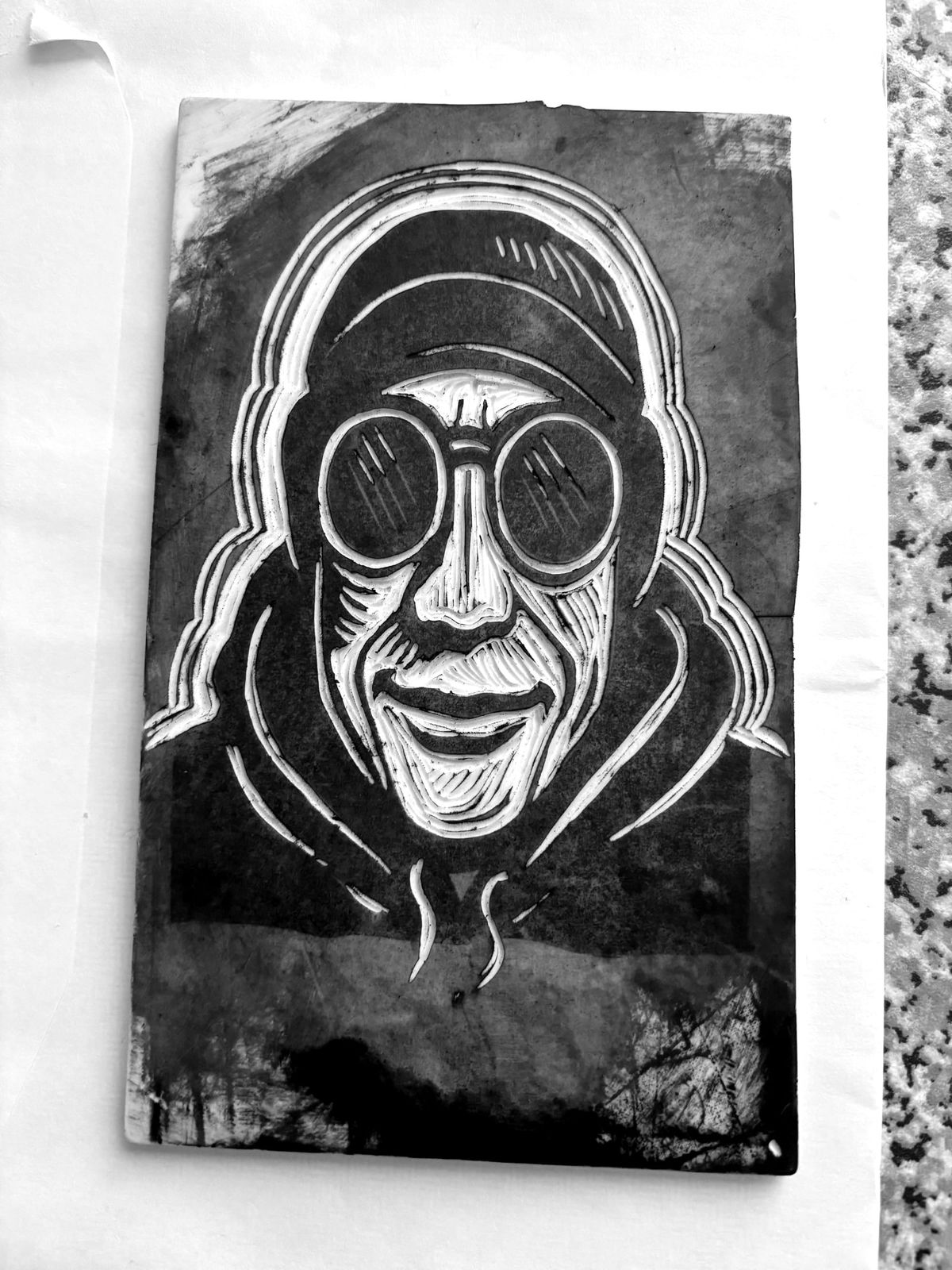
STOP READING FOR A SECOND. This node is 100% independent. No tracking. No ads. Powered purely by the Art of FACELESS creative collective and physical print distribution.
ACCESS PROTOCOL:
Drop your email to initialize your node, unlock the rest of this file, and support independent publishing.
The link has been copied!
Your link has expired. Please request a new one.
Your link has expired. Please request a new one.
Your link has expired. Please request a new one.
Great! You've successfully signed up.
Great! You've successfully signed up.
Welcome back! You've successfully signed in.
Success! You now have access to additional content.