



On game ownership, digital extinction, and why gamers need to start acting like football fans.
Written by Lloyd Lewis
Let's be clear about what happened with The Crew.
You bought a game. You paid for it. It sat in your library — digital or physical, didn't matter, because the thing required a server handshake either way — and one day in March 2024, Ubisoft flicked a switch. Gone. Not delisted-but-still-playable. Gone. And then, in an act of corporate audacity that should have made headlines far beyond gaming circles, Ubisoft began revoking licences from accounts. People who had purchased the game found it scrubbed from their libraries entirely, with no refund, no replacement, no explanation beyond the language of a EULA nobody voted for.
They didn't discontinue a service. They broke into your home and nicked the painting off the wall.
This is not a niche problem. This is not a question of whether you liked The Crew (you might not have — the reviews were mixed, the physics were odd, the side missions were a nightmare, but I finished it nevertheless!). This is a question of what you actually own when you hand money to a publisher in 2024. The answer, it turns out, is very little. You own a licence to access. A revocable right to play, valid until the moment it's no longer commercially convenient to let you.
The disc-to-digital transition — accelerated by every platform holder, celebrated by every finance department — was never really about convenience. It was about control. A disc is yours. A file on a server is theirs. The move to all-digital was the move to make every game in your collection conditional.
The Community Did What Ubisoft Wouldn't

Here's the thing that should make you simultaneously proud and furious: The Crew didn't stay dead.
A group of developers calling themselves The Crew Unlimited (TCU) started work on a server emulator days after the shutdown was announced. A year and a half of development, reverse-engineered network traffic, a custom DLL injection into the PC executable — and on September 15, 2025, they shipped. The Crew is playable again, offline, on PC, for free, including all DLC, on both Steam and Uplay. Online multiplayer via TCU-hosted servers is coming. Mod support is baked in. You can find them at thecrewunlimited.com.
This is genuinely remarkable work. The kind of thing that should be celebrated loudly and linked everywhere, because TCU did what the people who made the game refused to do. They preserved it. The Crew Unlimited's own words frame it exactly right: they determined that writing a server emulator was "the best and only solution" to give players back both an offline and online mode — a solution Ubisoft had already proven was possible, given that code for an offline mode existed in the game's files unused. Ubisoft had the fix. They chose not to deploy it.
So: respect to TCU. Enormous respect. They are exactly the kind of dedicated, technically brilliant, community-first people that gaming needs more of.
But here's the anger underneath the admiration: they should never have had to do this.
The fact that TCU exists and had to build this — in their spare time, under constant threat of a cease-and-desist, navigating the legal no-man's-land that fan preservation always occupies — is an indictment of the industry, not a vindication of it. We cannot celebrate the workaround without demanding the system that made the workaround necessary gets torn apart.
The Legal Fight Is Real — and It Needs Support

TCU isn't the only front. In March 2026, French consumer group UFC-Que Choisir filed a lawsuit against Ubisoft over the shutdown, arguing that Ubisoft had misled consumers about their purchase and employed contractual clauses to strip away ownership rights. The lawsuit is backed by the Stop Killing Games initiative — the campaign launched by Ross Scott of Accursed Farms in direct response to The Crew's shutdown.
By February 2026, Stop Killing Games had collected over 1.3 million signatures across Europe and formally presented its case to the European Commission, with a legislative response expected by mid-2026. That's a citizen-led initiative translating genuine anger into potential law. It's the right move. It needs to succeed.
If you're in the EU or UK, you should be engaging with Stop Killing Games. Not because it's a gaming issue. Because it's a consumer rights issue. Because the same logic that lets Ubisoft delete The Crew from your library could, over time, let any publisher remove any game from any platform the moment the numbers stop adding up.
Gamers Need to Organise. Actually Organise.

Here's where I'm going to say something uncomfortable: the gaming community, for all its passion, is terrible at collective action.
When Cardiff City fans were furious about the club's direction — the shirt colour change, the ownership model, the decisions made without them — they didn't just post about it. Supporter trusts exist for a reason. Fan-led ownership campaigns exist for a reason. Organised pressure — coordinated, sustained, with specific demands and real consequences — is what moves institutions. Not tweets. Not Reddit threads. Not review bombing (though review bombing The Crew's sequels was, at least, something). Actual organised pressure.
What does that look like for gaming?
Coordinated purchasing boycotts. Not individual choices, but announced, collective action against specific publishers with specific demands attached. "We will not purchase X's next release unless Y changes" — organised in advance, tracked publicly, with spokespeople and visibility. Individual consumer choices are invisible. Collective action with a clear number behind it is not.
Disc buying as a political act. Every physical disc purchase is a vote. Not because publishers track your individual preferences, but because the aggregate data on physical vs digital sales directly informs platform strategy. If the number of people actively choosing disc-based purchases over digital stagnates or grows, that data matters. Make the choice and make it loudly. Explain why to anyone who'll listen. A digital-only console is a political choice by a corporation. Choosing physical is a political response.
Collective legal funding. What UFC-Que Choisir did in France — bring a lawsuit backed by real legal resource — is what organised consumer groups can accomplish that individual complaint tickets cannot. The UK has no equivalent action yet. Gaming communities have the numbers to fund test cases. The question is whether there's the organisational will to pool money for something other than a Kickstarter for a game.
Treating emulation and preservation as rights, not piracy. This is the moral argument that needs to be made and won in public, not in legal grey zones. TCU didn't pirate The Crew. They rescued a cultural artefact from deliberate destruction. When Ubisoft shut down the servers, they set fire to something people had paid for. Preserving it is not theft — it is the minimum ethical response to corporate vandalism. The gaming community needs to make this case loudly, consistently, and without apology. Not every act of preservation is piracy. Some acts of preservation are moral obligations.
Demanding legislation. Stop Killing Games is doing this, but it needs mainstream gaming culture behind it — not just the preservation enthusiasts, not just the hardcore community. The casual player who just lost a game they'd spent hundreds of hours in is the argument. Get them to sign. Get them to contact their MP, their MEP. Turn the abstract into the personal and make the personal political.
The Class Angle Nobody Wants to Talk About
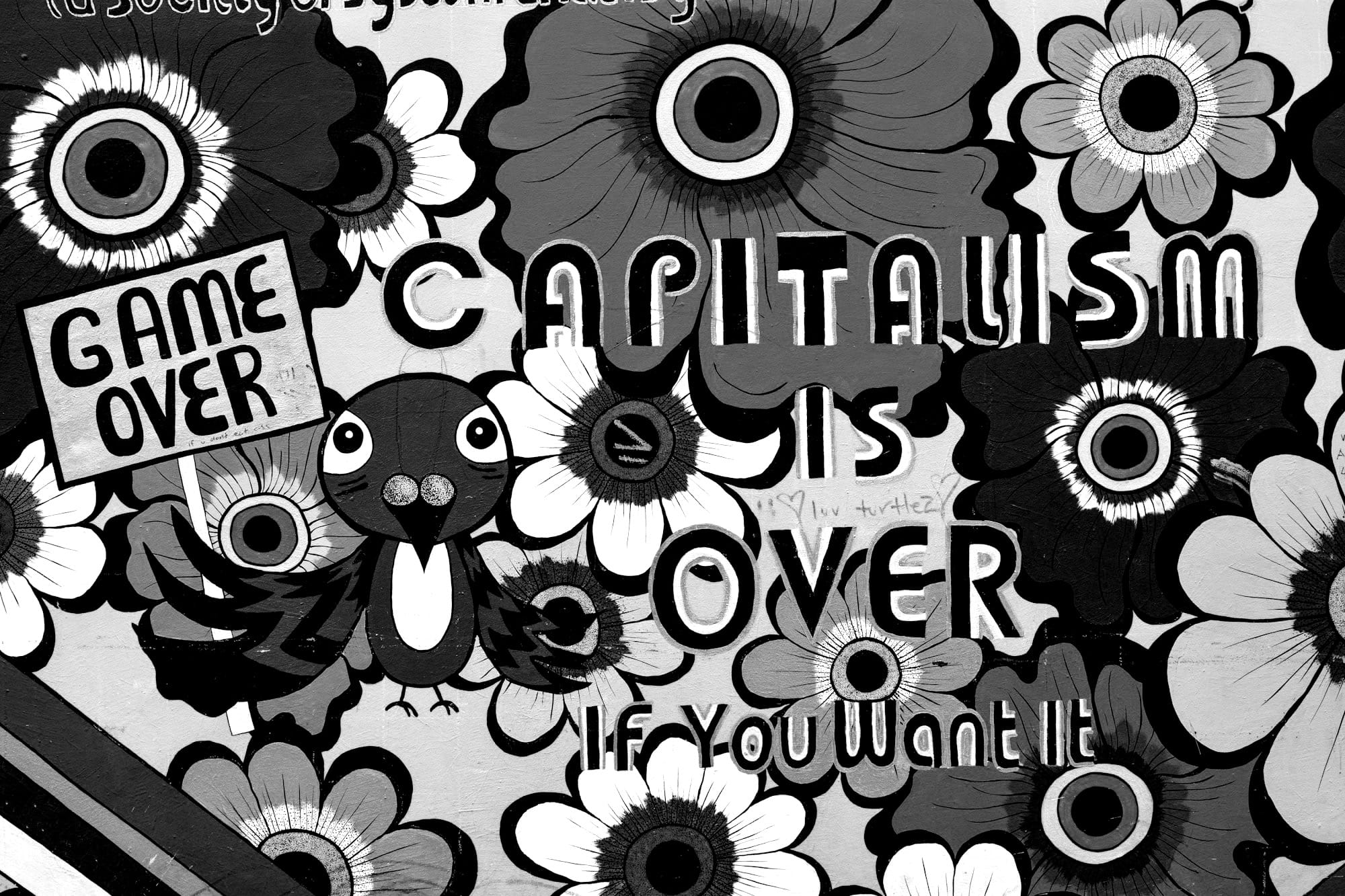
The move to all-digital gaming is not neutral. It disproportionately affects people with unstable housing, poor broadband, limited cash flow, and no margin for subscription fatigue. The kid who saved up for three months to buy a game should be able to play that game in ten years without a server handshake. The person who can't afford Game Pass renewal shouldn't lose access to their entire library.
Physical ownership was never just a preference. It was a guarantee — imperfect, dependent on hardware survival, but fundamentally yours in a way a cloud licence is not. The people pushing the all-digital future hardest are the same people who profit from making your library conditional. That's not a conspiracy. That's a business model.
Gaming culture talks endlessly about accessibility in terms of difficulty settings and UI options. It barely talks about the accessibility implications of an industry built on subscriptions, always-online requirements, and revocable digital licences. Those are access issues. They deserve the same urgency.
What TCU Proved — And What It Demands of Us
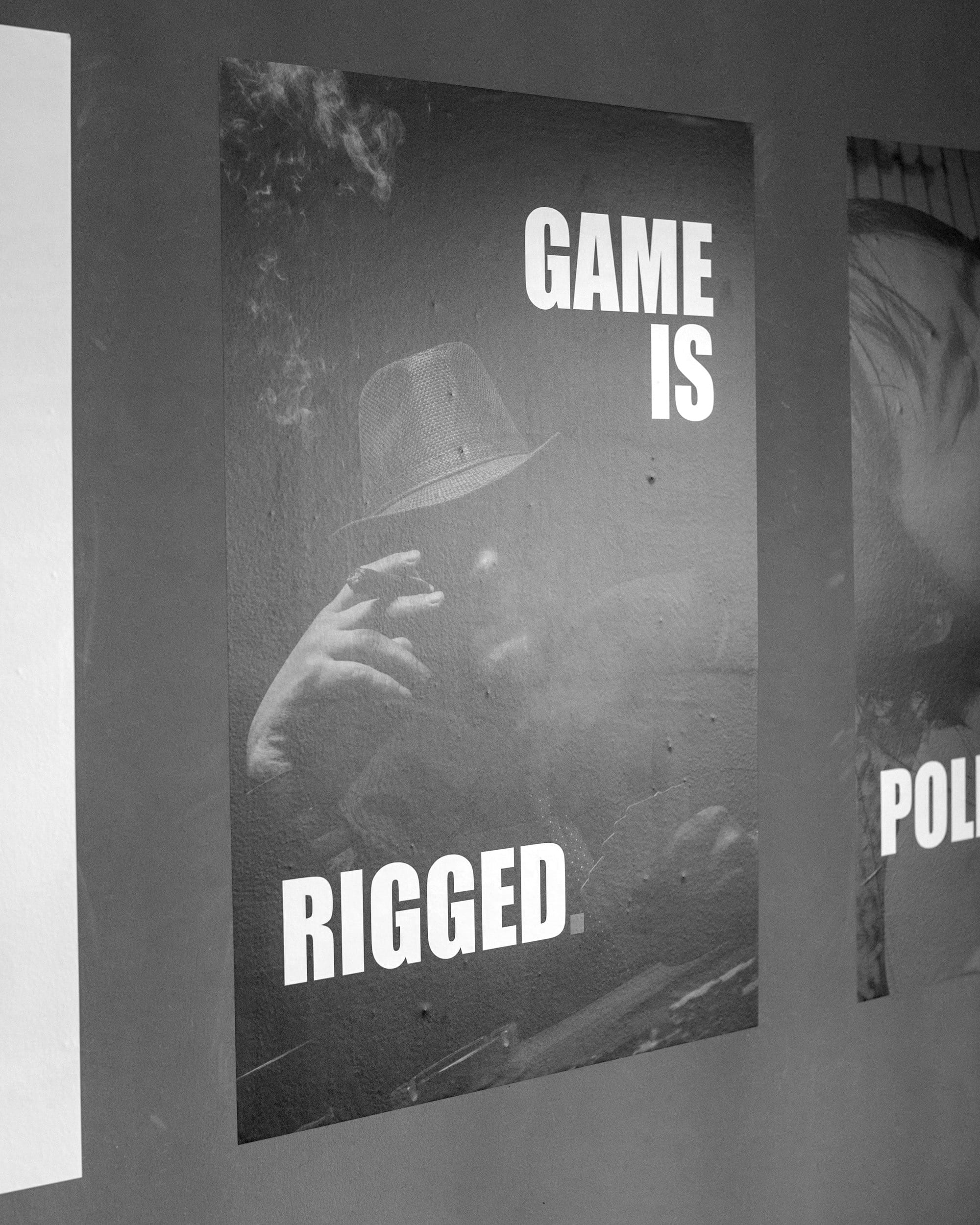
The Crew Unlimited proved something important: the games don't have to die. The knowledge exists. The passion exists. The technical capability exists. What's missing is a framework — legal, political, commercial — that makes preservation the default rather than the underground act of resistance.
We're not asking publishers to run servers forever. We're asking for a minimum standard: when a game reaches end of life, provide the tools for it to keep running without you. Offline mode. Server binaries. Open source code. Something. Anything that means "shutdown" doesn't also mean "extinction."
TCU built that for The Crew. They did it for free, under threat, out of love for a game that its own creators abandoned. That's admirable. It's also exhausting, precarious, and completely avoidable.
The Crew situation is a template — for what corporate behaviour looks like when unchecked, for what community response looks like at its best, and for what organised, sustained, multi-front pressure looks like when it starts to work. Stop Killing Games is at the European Commission. UFC-Que Choisir is in court. TCU put the game back online.
Now it's your turn to do something.
Art of FACELESS is going to help you and provide the tools and knowledge. We’re also going to actively right our own ethical EULA for our own game(s).
Sign up for our Newsletter. That helps us enormously.
Art of FACELESS is an independent multimedia collective based in Cardiff/Athens/Heraklion/Paris/Porto. We build games, break formats, and refuse to go quiet. Find The Hollow Circuit at artoffaceless.com.
 Read full bio