Some days it feels pointless. Today I read that Kite AI secured $18M in Series A funding from PayPal Ventures and Samsung. Eighteen million dollars to put “autonomous AI on blockchain.” Words dressed up as inevitability: $240 billion markets, agentic internet, the future already sold. And here I am, with no team, no funding, no visibility. Just me, sitting with Ghost posts, hashes, and PDFs. It feels lonely. It feels like I’m embarrassing myself. I’m not building an empire. I’m building a copi
FACELESS
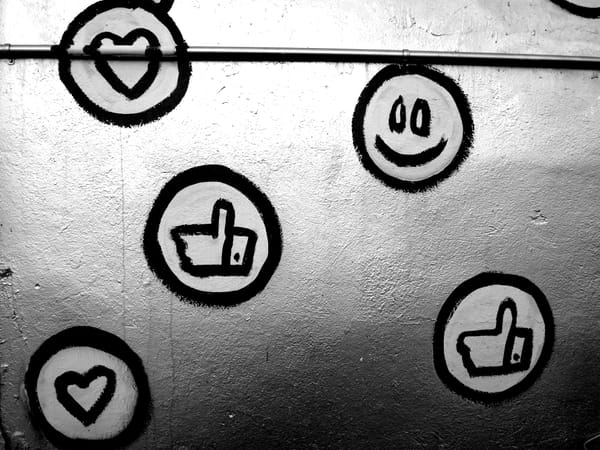
I saw an X post today from an NFT artist celebrating a sale. It read like something between a love poem and a product announcement: “gm and SOLD ❤️🔥 … my gratitude flows like shadowed rivers … may the flowers bloom endlessly in your hands.” The reaction it triggered in me was physical. I felt like I was back in the playground in the 60s, swapping bubblegum cards. The thrill wasn’t in the image on the card, it was in the set, the collection, the chase. Some cards were beautifully printed, othe
FACELESS
Date: 2025-09-02 Series: APP / Devlog / Critical Notes We’re building APP (the AOF Provenance Protocol) and we’re not going to sell it to you as a utopia. This post is a friendly autopsy — of NFTs, of our own system, and of the myths both camps use. If this is going to be worth anything by 2027, it has to survive criticism first. What NFTs said they’d fix (and what actually happened) The promise: permanence, provenance, scarcity, decentralisation, and artist sovereignty. The reality: much of
FACELESS
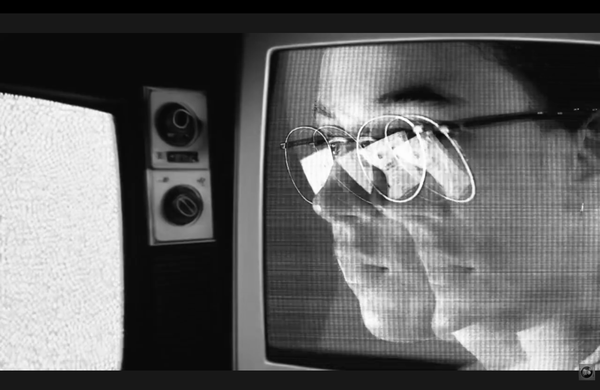
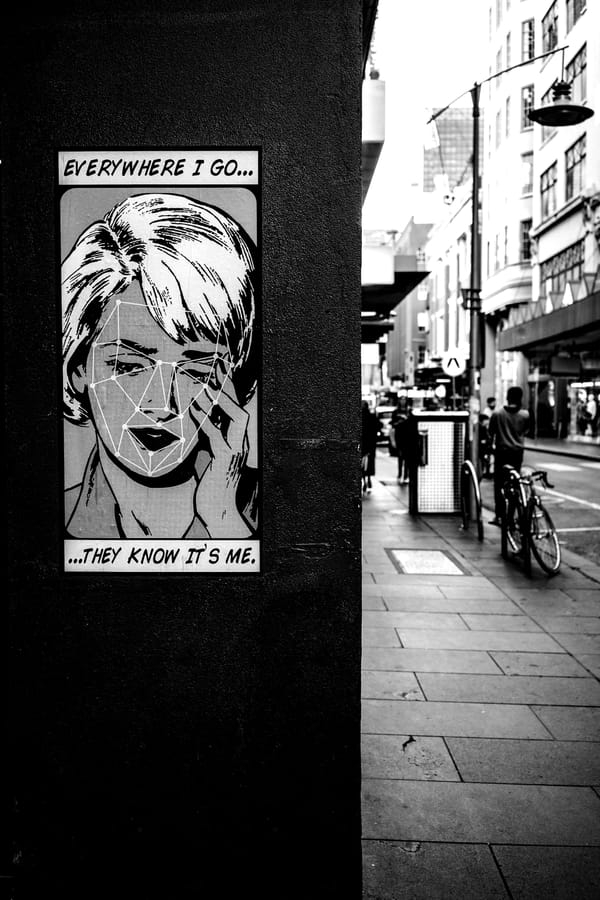
Art of Faceless (AOF) was never meant to be permanent. Since 2012 it has appeared, collapsed, resurfaced, and fractured again — a pattern that mirrors the very systems it was born to critique. The original 2012 trailer came from a very different world. Surveillance was still clumsy, algorithms had not yet consolidated control, and the idea of being “faceless” was playful — anonymity as glitch, not survival. In the years since, we have lived through a decade where facelessness became almost impo
FACELESS
I use the word “algorithm” a lot. Probably too much. It turns up in my fiction, in fragments I post online, in the footnotes of my own thinking. It's become a tic, a tell. I use it because it matters, because it governs so much. And I use it because I don’t trust it.
FACELESS