
“Sound remembers what the sea forgets.” — Fragment recovered from The Resonance Keepers of Crete archive 0:00 /0:06 1× 001 // ORIGIN Depths of Resonance began as a short story — a whisper of myth and signal buried inside the Aegean. The story imagined an underwater civilisation that recorded memory not through words or image, but vibration — whole lives archived in tones. Over time, this concept shifted — from fiction to frequency. From page to wave
FACELESS
Analysis of the poem "Dark Kittens" "Dark Kittens" is a poignant and subversive poem that employs the metaphor of kittens to critique the commodification of emotions, the enforcement of toxic positivity, and the suppression of authentic grief and wildness in contemporary society. The title itself juxtaposes "dark" with "kittens," setting up a contrast between superficial cuteness and underlying shadows, much like how social media and self-help culture package vulnerability as something adorable
FACELESS
Every few months, another editorial lands (today's was from The Guardian). Another lament about the “working class and the arts.” Another sermon from London about how Manchester, or some other city, will “lead the way.” And every time, the same lazy phrase gets wheeled out: working class. Let’s be clear: it’s 2025, and that term no longer fits. It’s a label that serves the people who use it, not the people it’s supposed to describe. It turns flesh-and-blood lives into categories. “Working class
FACELESS
The spoken-word multimedia project Dark Kittens by Awen Null — presented as a widescreen subtitled video with sonic composition by Lloyd MSUX — stands at the intersection of literature, sound art, and moving image. At first glance, the work may seem like a straightforward reading, a poet’s voice laid over a musical backdrop. Yet closer inspection reveals something more complex: a deliberate act of resistance against clarity, a work that situates itself in the gaps and glitches of transmission. T
FACELESS
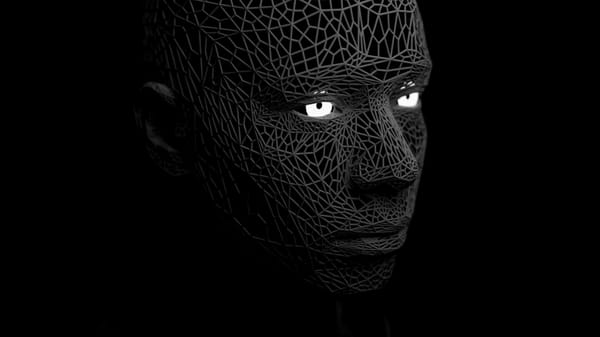
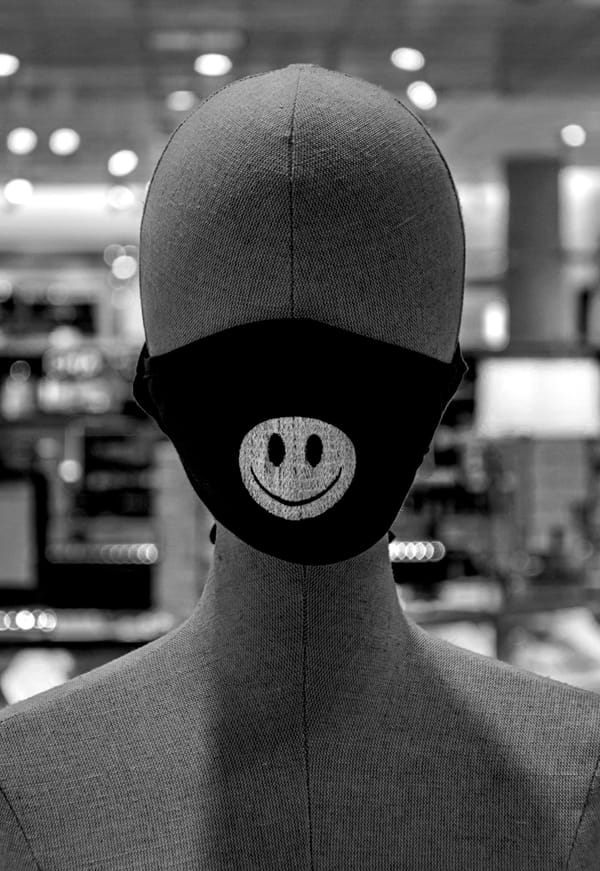
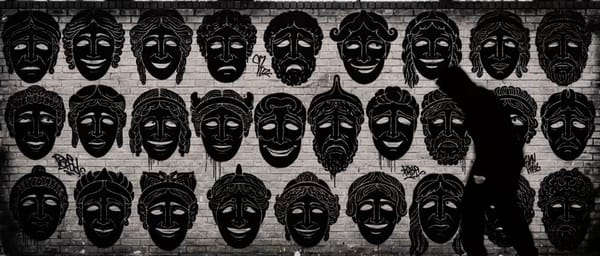
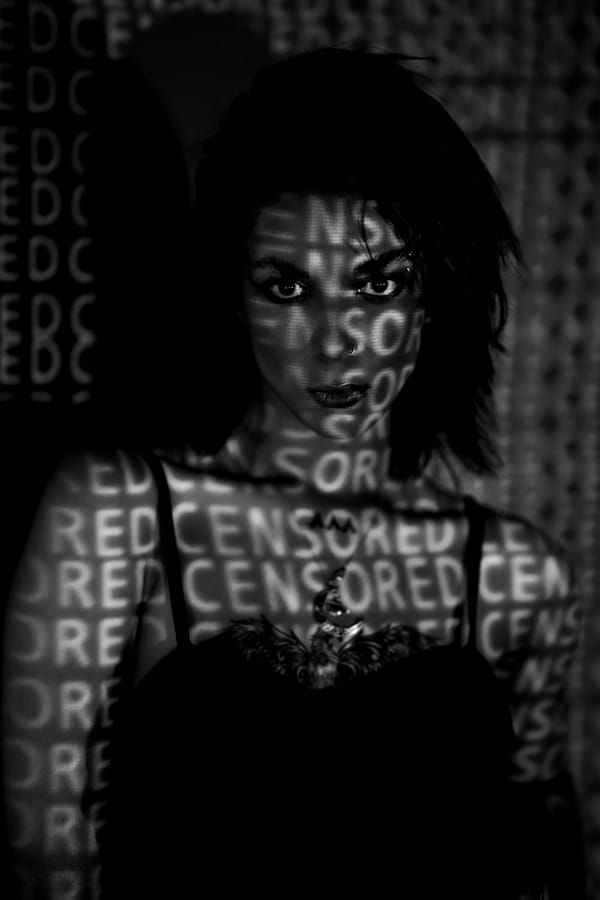
In 2025, the stakes for anonymity have never been higher. As biometric systems, pervasive facial recognition, and AI-driven image synthesis proliferate, the ability of individuals—especially creatives, dissenters, and marginal voices—to control their own likeness becomes a frontline battleground. The loss of that control is not a mere privacy inconvenience: it is a wound against freedom of expression itself. This is part of our myfacebelongsto.me project 1. Anonymity as Foundation of Free
FACELESS