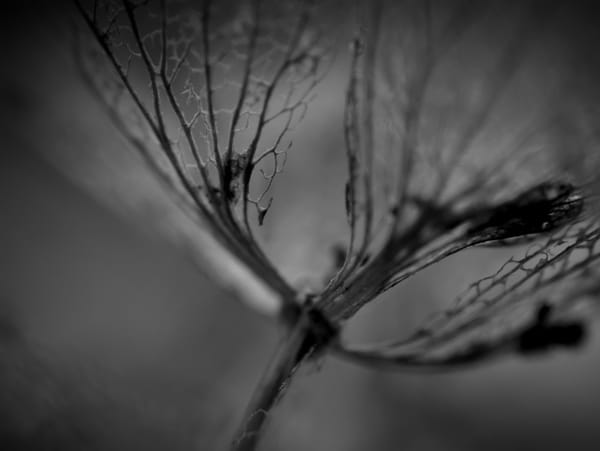
Photographs from the Recursive Edge
"Infinity is not a place, but a fold — etched between one breath and the next."
This collection began, quite literally, by hand.
On the inside of my left wrist, you'll find the Mandelbrot equation—bold black ink, a decade old now, living just beneath the skin. It’s more than a mathematical curiosity. It’s a reminder that beauty, chaos, and self-similarity often emerge from recursion, not reason. Those patterns don’t explain the world—they frame it.
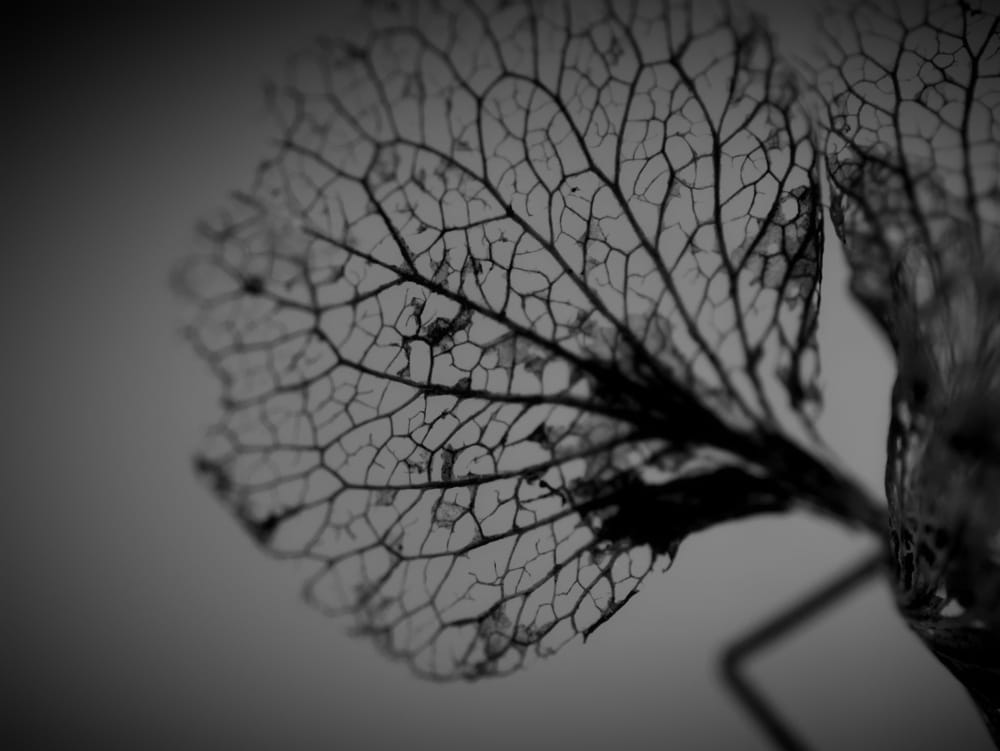
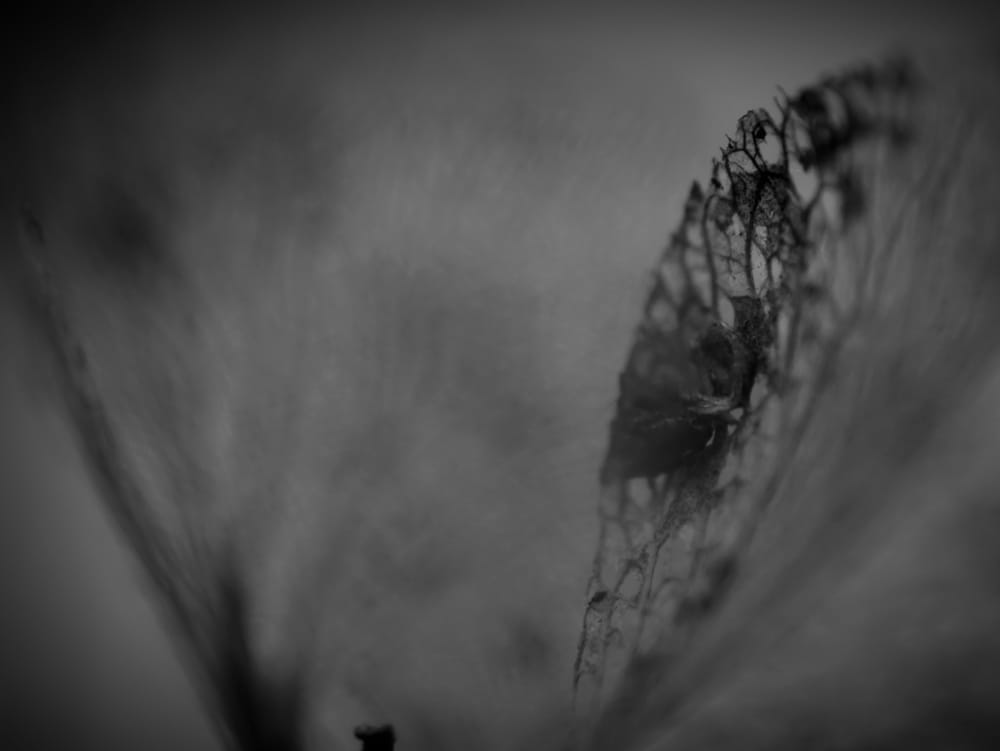
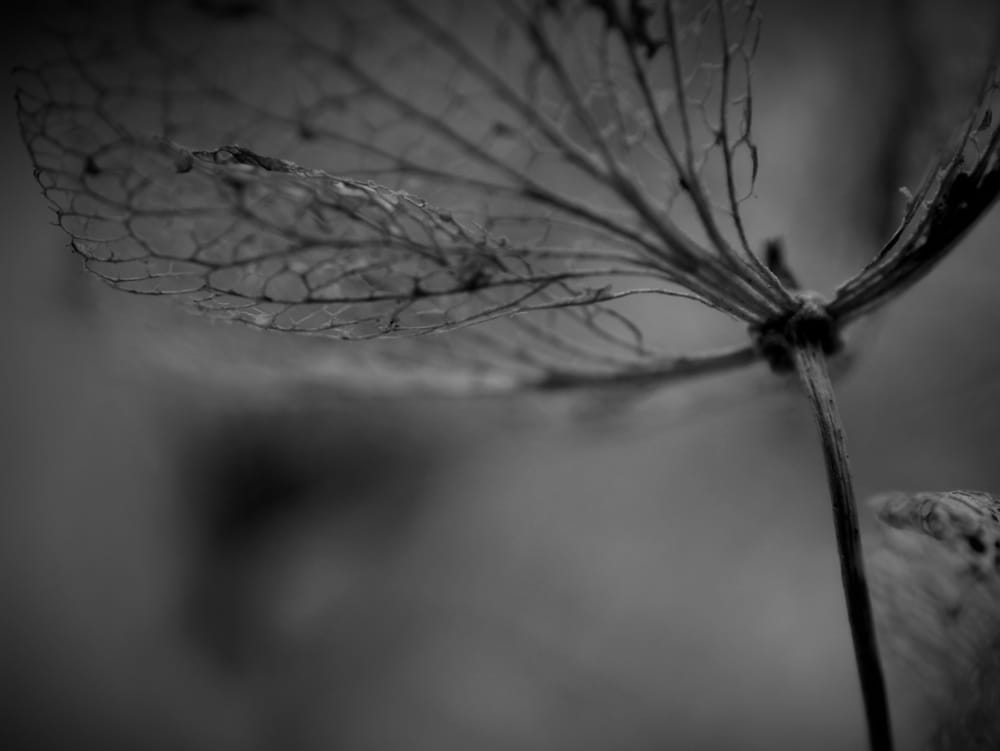
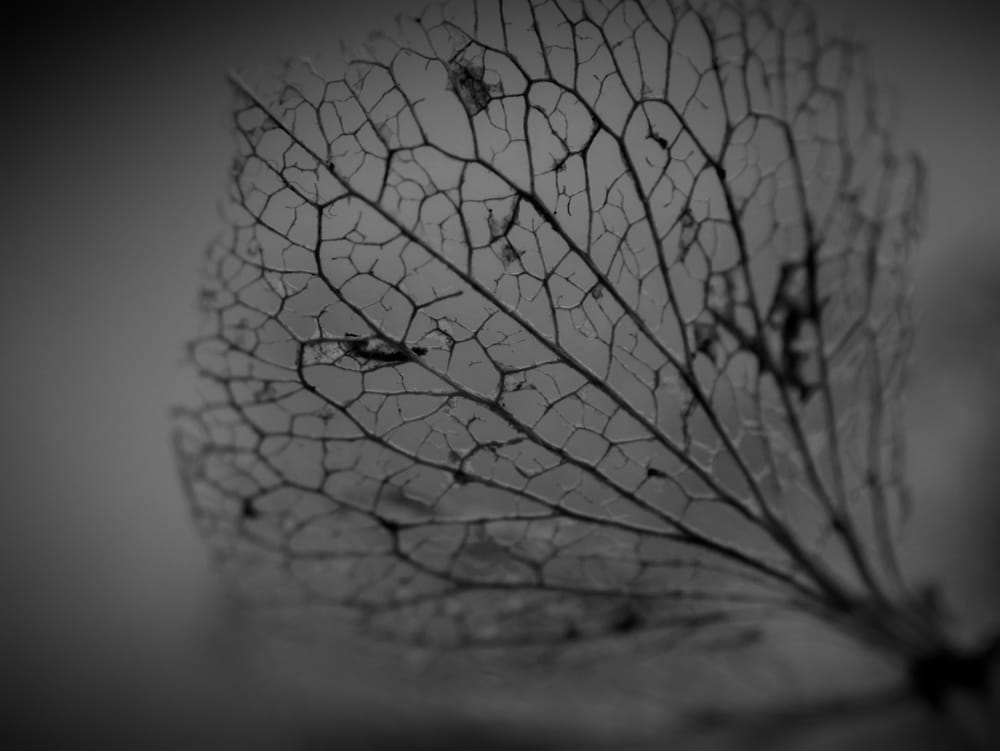
The Null Filament is the first formal output from the Fractals Project under Art of FACELESS. This set shot was entirely on a Panasonic LUMIX DMC-GX80KEBK, using a stubbornly faithful 20-year-old Sigma 105mm 2.8 macro lens with a manual focus system that gave up the ghost years ago. There’s no AF trickery here— just patience, a tripod, and a light box. The glass is still pure. It’s imperfect. It’s perfect.
The subject matter?
Dried hydrangea heads, collected from my neighbour’s garden.
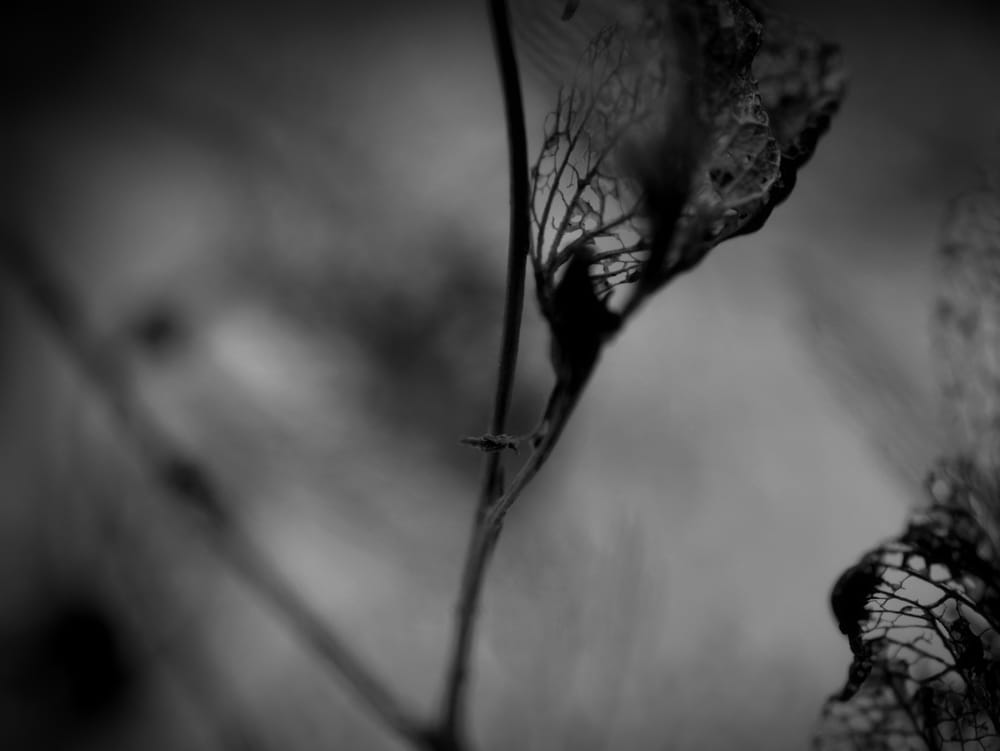
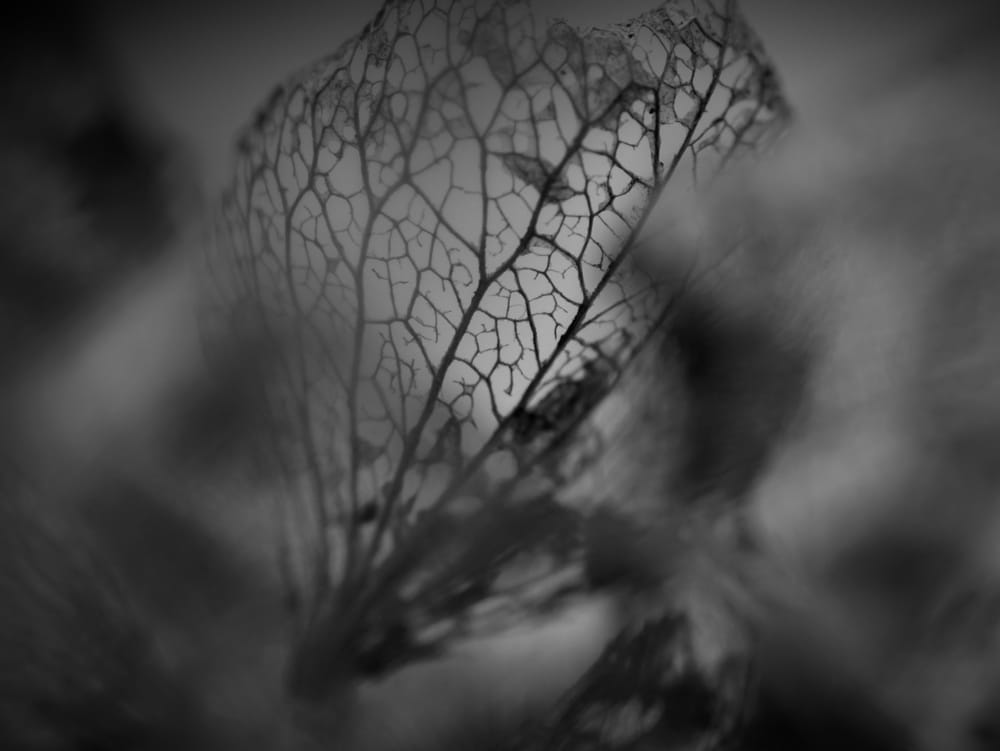
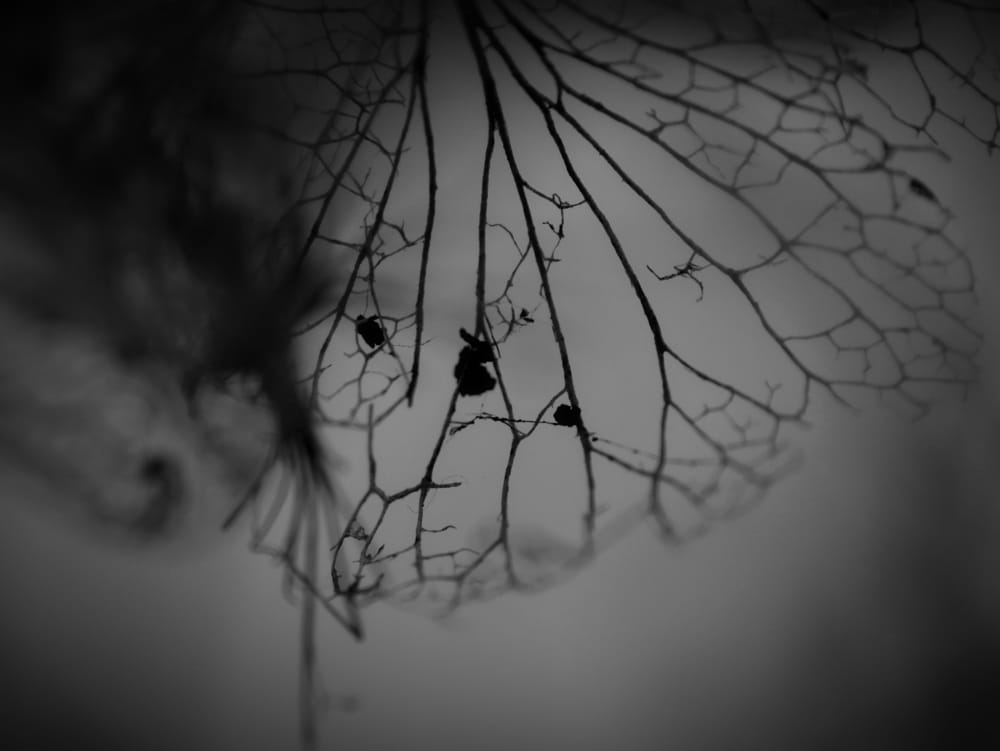
The Null Filament gallery by @ichbinLLOYD © 2025 Art of FACELESS
They weren’t posed or preserved — they were placed under LED white light and observed. Already brittle. Already collapsing. Already speaking in a language of filigree and fracture. These are ordinary, domestic remnants — once vivid, now skeletal. But up close, in macro, they bloom again into alien constellations.
Each image began as a RAW file — uncompressed, uncorrected, unfiltered. That matters. Post-production was done in Lightroom and Photoshop, using only a single, hand-crafted preset. One aesthetic logic. One recursive theme.
These are not abstractions. These are encounters.
You’re looking at cellular ruin. Floral maps of entropy. Small things, forgotten things. Objects most people discard. I don’t. Because when you look closely enough— when you stop scrolling, stop swiping, stop assuming — everything begins to echo.
Look again: a single petal’s vein becomes a topographical scan. A snapped stem recalls the architecture of crumbling space stations. The way the light hits those curves? It’s the same geometry you’ll find at the edge of the Mandelbrot set. Natural recursion. Fracture as language.
This isn’t high-concept gallery fluff. There’s no artist statement laced with theory. Just a camera, a broken lens, a light box, and time.
The Mandelbrot set tells us that within every boundary lies infinite complexity. Zoom in, and you find smaller versions of the whole. Zoom again, and you’re back where you started — but skewed, broken, rotated. Familiar, yet alien. That's not just mathematics. That’s life. That’s memory. That’s trauma and recovery. That’s how I write, and that’s how I shoot.
Fractals are not metaphors. They’re not stand-ins for something deeper. They are the depth. They’re the architecture of ghosts.
This project is ongoing. What you see here is the first set — one tile in a much larger mosaic. Future sets will involve motion, spoken word, and musical responses to each image. Some will be printed and distributed via guerrilla drops around the UK and European cities. Others will live here, digitally. But all of them will hold to the same ethos:
- No AI-generation.
- No filters beyond what the eye might imagine.
- No reduction of complexity for likes or shares.
- No artifice pretending not to be artifice.
You are invited not just to view, but to linger. Let the recursion pull you in. Let the details breathe.
These images are not statements. They are questions.
The kind that refuse to resolve.
@ichbinLLOYD
Photography © 2025 Art of FACELESS