an art of FACELESS editorial
[DO NOT PRESS THE GLITCH BUTTON]
THE YEAR THE OPEN WEB DIED (AGAIN)
Art of Faceless — Editorial / October 2025 ·
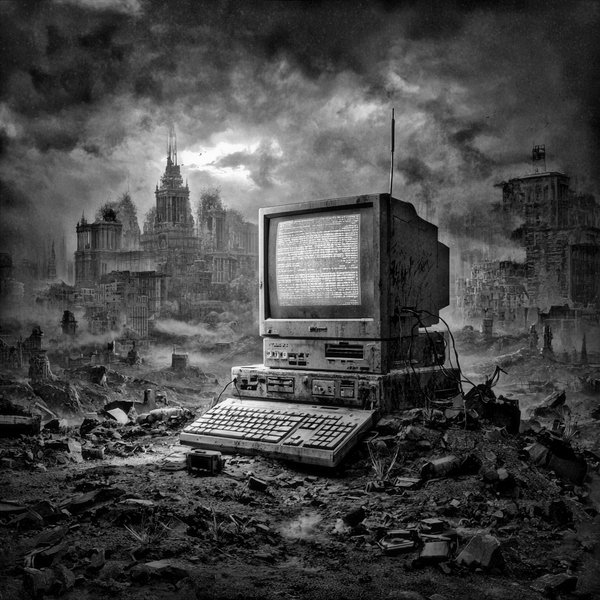
We were told the web was coming back. That decentralisation, community, and “creator ownership” would rise from the ruins of the algorithmic feed. But 2025 proved it: the open web isn’t being reborn—it's being embalmed. The real traffic flows through corporate arteries.
“Pay or perish. Behave or disappear.”
1. The great platform shakedown
- X calls it verification. Pay to speak. Pay to see. Pay to not vanish.
- Meta sells “safety” as a blue tick: algorithmic oxygen behind a toll gate.
- Bluesky plays open—until you test the edges.
- Tumblr whispers into the void. Facebook/Instagram: compliance for visibility.
- YouTube—paradoxically—the last corridor where a video can still travel.
2. The mirage of discovery
New platforms promised renaissance. Most became boutique echo chambers—polite, small, self-policing. The weird still breathes on YouTube; Chips & Pie thrives because motion still outruns gatekeeping there.
3. Google, the silent oligarch
Google no longer indexes the web; it curates it for its own AI. When it buries you, every engine that leans on its index buries you too. Tweet a JPEG and it outranks your carefully maintained archive in minutes.
Search isn’t neutral. It is a platform wearing a mask.
4. The adult filter
If your art acknowledges sex, disability, politics, or grief, you meet the private police. The Online Safety Act deputises platforms to age-gate, de-index, restrict. Adults treated like contraband. Imagination as paperwork.
5. The false war on Spotify
Now the mob picks Spotify as villain—while ignoring every other cage. Bandcamp is the new ark until another oligarch buys it. We’ve seen this cycle. Ask indie filmmakers what happened to Vimeo.
6. The death of neutral space
“For creators” ends as “for shareholders.” Paywalls, throttles, and polite restrictions. The open sprawl replaced by a stack of subscription silos. A pay-to-breathe internet.
7. What remains
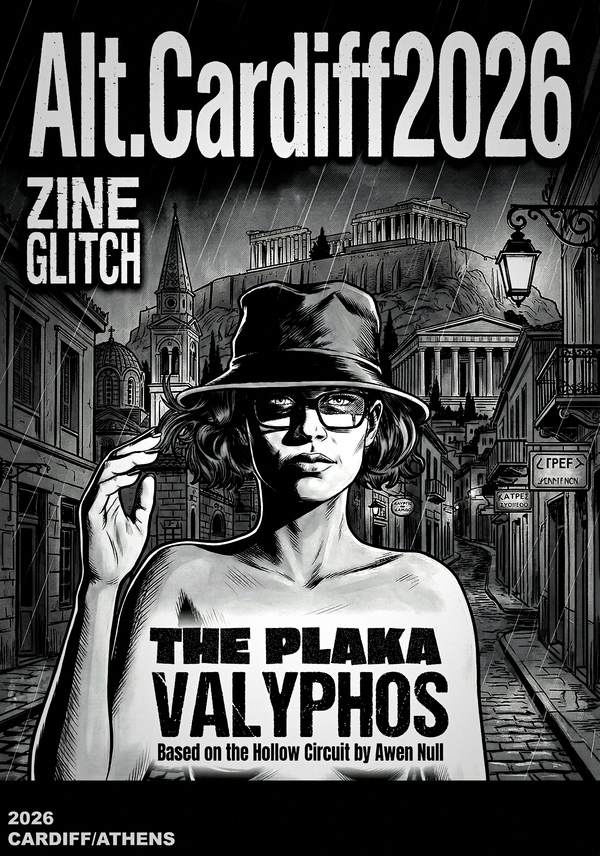
The margins. Zines, print drops, QR on a lamppost. The hand-to-hand exchange. Art that persists without permission. The collapse becomes material; the workaround becomes the work.
“Don’t shout louder inside the algorithm. Leave quietly—and take the art with you.”
Takeaway
2025 didn’t kill the open web; it revealed the autopsy scars. The corpse is dressed in pastel UX and sold back as freedom. But there’s still life in the static. Every independent domain, every off-grid print, every encrypted file passed between hands is a pulse.
— Art of Faceless
Option A — Dry irony
We know — it’s rich to finish a piece about subscription fatigue by asking you to subscribe.
Think of it less as joining another feed and more as proof that irony still breathes. The button’s below. It probably tracks nothing. Probably.
Option B — Wry meta
Yes, this is the part where we ask you to subscribe — the very ritual we just buried.
Consider it performance art: paying nothing to witness the death of paying for everything.
Option C — AOF-coded poetic
The open web collapsed under the weight of its own paywalls,
and here we are, whispering beneath the rubble:
Subscribe, they said. Resist, we meant.
If you see the irony, you’re already one of us.
Here's the massive subscribe box 👇