A stolen artwork reality check
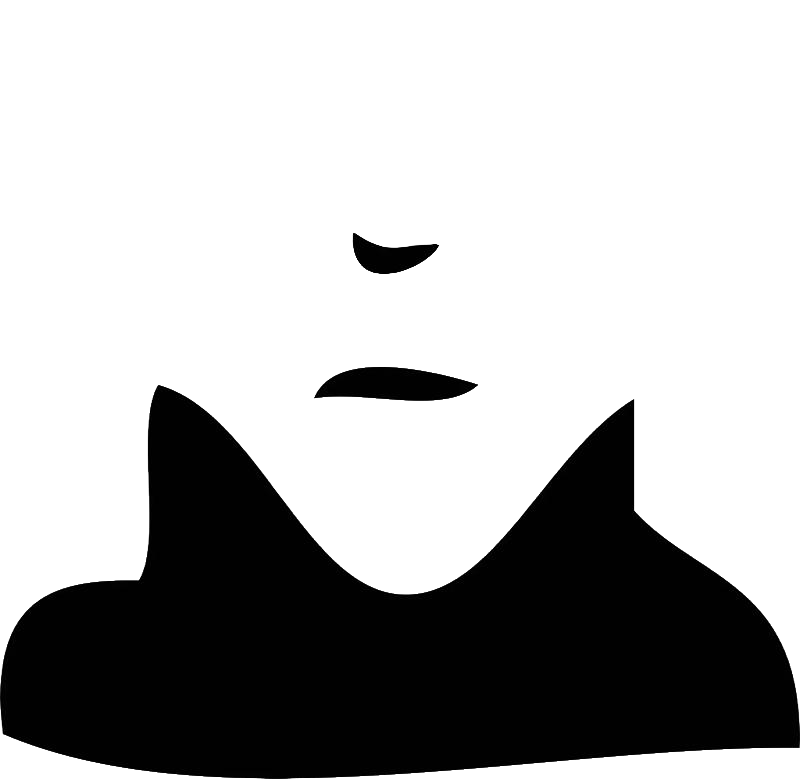
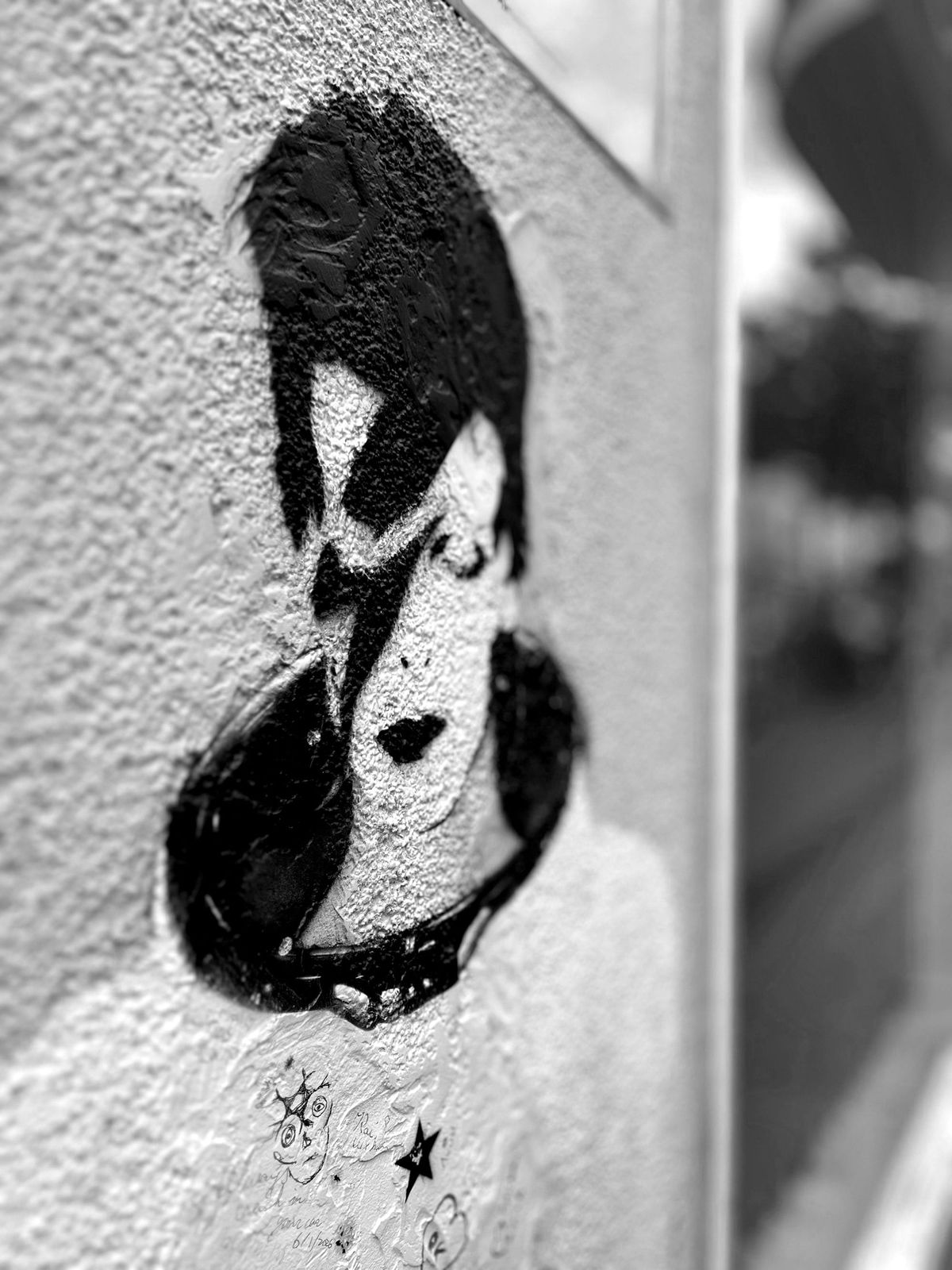
Look at the image above this.
A stencilled face, sprayed onto a wall, photographed in black and white. Already, before a single sentence of this piece, you’re looking at a copy of a copy. Someone had a face. Someone else turned that likeness into a stencil, without asking. Someone stood at that wall with a blade and a spray can and reproduced a person who never agreed to be reproduced. Then someone walked past with a camera and made a photograph of that unauthorised copy, and called it art.
Every stage of that chain had a tool in someone’s hand. A blade. A can of spray paint. A camera. Not one stage involved an algorithm. Every stage still involved a person deciding to take something that wasn’t theirs to take.
This has always been the shape of the problem. The tools changed, spray can, camera, internet, now AI, but the responsibility never moved an inch. A person chose to copy. A person chose to publish. A person chose whose face, whose work, whose design mattered enough to lift.
So before the next tearful reel about how AI is the thief, look at that wall again. Ask who was actually holding something when the decision got made.
There’s a genre now. Soft piano, slow zoom, a slideshow of “stolen” work fading in and out while someone delivers a tearful or righteous monologue to camera about how AI destroyed their art, their livelihood, their soul. By lunchtime it’s at 50,000 likes. The comments are a pile-on. Everyone agrees. Nobody asks a single follow-up question.
I was a professional photographer. People assume that history puts me first in the queue, fist raised at the machine. It doesn’t. AI never stole a frame of mine. People did. A person decided to save the image. A person decided to crop the corner with the watermark off. A person decided to strip the metadata and repost it as their own. AI is a tool. People who do that with it are tools too, the other kind. Both sentences are true. Only one of them trends.
The biggest shift in photographic art in my lifetime wasn’t AI. It was film to digital, digital to the iPhone, the iPhone to the internet. Each one “killed” the art form that came before it, and each time, people said so. What’s actually gone is the whole human process: knowing an SLR well enough to trust it, thirty-six shots on a roll and not one of them wasted, standing in red light under an enlarger waiting for a print to surface out of nothing, shooting colour transparency positive with no preview and no second chance because you had exactly one shot to land a cover that would sit on every rack in every newsagent in the country or you didn’t pay rent or eat. That entire skill set, gone. Like closing a pit in the Welsh valleys. Not just a job. A whole way of knowing the work, ended in a generation, with no Instagram reel and no 50K likes, because there was no algorithm built to mourn it.
So none of this is new. Stealing photographs was happening long before AI had a name people recognised. The internet just made it free and instant. We used to fight it; watermarks, embedded metadata, takedown notices, the lot. Then the tools to scrub metadata and erase watermarks got so good, so fast, so accessible, that fighting it stopped being possible and started being a second unpaid job. So we gave up. Not because we stopped caring. Because the people doing the taking had infinite time and zero cost, and we had neither.
But it was always a person. A person made the decision. AI is the hammer in this story, nobody rational blames the hammer. And yet the outrage never seems to land on the people actually doing it, or on the companies actually profiting from it. It lands on “the technology,” a clean, faceless noun that’s easy to perform grief at and impossible to argue back. Meanwhile the platform hosting the performance is itself one of the largest data-mining operations on the planet, quietly absorbing every reel, comment, photo, and tear shed in its name. The sob story becomes content. The content becomes engagement. The engagement becomes the exact value extraction being mourned, just laundered through a ring light and a trending sound.
None of this excuses what’s been built without consent, scraped without asking, trained without credit. That’s real, and it deserves real scrutiny. But shouting at “AI” from inside Instagram’s own data pipeline isn’t accountability. It’s theatre. And it’s theatre with a payout.
We did some of this to ourselves, too. Every image posted for free, every day, for the validation, for the algorithm, for the vanity of being seen, that’s the floor this is all standing on. The internet didn’t invent theft. Free, undefended, ungated work, handed over for likes, made it effortless. AI just walked through a door that had been propped open for twenty years by people now complaining nobody had shut it.
It was never the tool. It was always the person holding it, and the platform profiting from the noise about it. Stop pointing at the hammer. It’s tiring, and it’s starting to sound shallow.
Written by Lloyd Lewis
STOP READING FOR A SECOND. This node is 100% independent. No tracking. No ads. Powered purely by the Art of FACELESS creative collective and physical print distribution.
ACCESS PROTOCOL:
Drop your email to initialize your node, unlock the rest of this file, and support independent publishing.
The link has been copied!