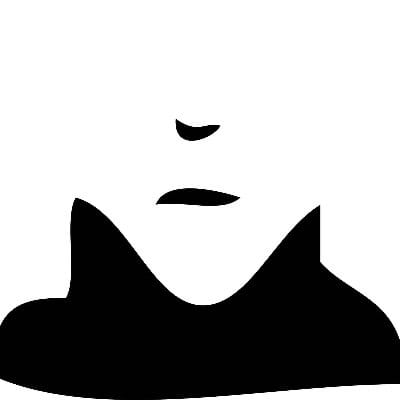



Written by Lloyd Lewis
We live in the era of the “Hyper-Face.” Between facial recognition algorithms mapping our biometrics and the social media imperative to build a “personal brand,” we are constantly forced to solidify who we are. We are expected to be static, recognisable, and consistent.
But what if certainty is actually the enemy of creativity?
I recently sat down with Awen Null, the elusive author behind the upcoming novel The Hollow Circuit. Meeting in a dim café in Cardiff, I expected a standard author interview. What I got was a dismantling of the very concept of identity.
The Trap of Spectacle
In our conversation, Awen spoke about the pressure artists face to turn their lives into content. “AOF [Art of FACELESS] gave me a place where identity could be fluid without becoming spectacle,” they told me. “A place where I could speak as several selves without turning it into performance art or confession.”
This distinction — between fluidity and spectacle — is crucial. On the modern internet, if you change your mind or your persona, it is often treated as a crisis or a stunt. But for Awen, whose work is informed by living with neurological disturbances and hallucinations, this fluidity is simply a “terrain.”
Neurology as Architecture
When we treat the brain as a static vessel, we limit what art can do. Awen describes their hallucinations not as delusions, but as “conversations I was already having with myself, projected outwards.”
This is where the concept of “Facelessness” shifts from being just an aesthetic choice to a survival strategy. By refusing to pin a single face or a single name to the work, the artist creates an architecture where the work can breathe.
“Identity is an outdated operating system,” Awen said, in what might be the defining quote of the interview. “We don’t write to present a face. We write to dissolve one.”
The Anti-Brand
The Hollow Circuit isn’t just a book; it’s a rejection of the “Author” as a god-figure. It suggests that perhaps the most radical thing a creator can do in 2025 is to step out of the light. To stop trying to be a protagonist in the timeline of the internet, and instead become, as Awen puts it, “a signal waiting for someone with the right kind of fractures for it to travel through.”
If we stop performing “selfhood” for an audience, what might we actually create?
This piece is a reflection on a longer conversation. You can read the full, original interview with Awen Null at Art of FACELESS.