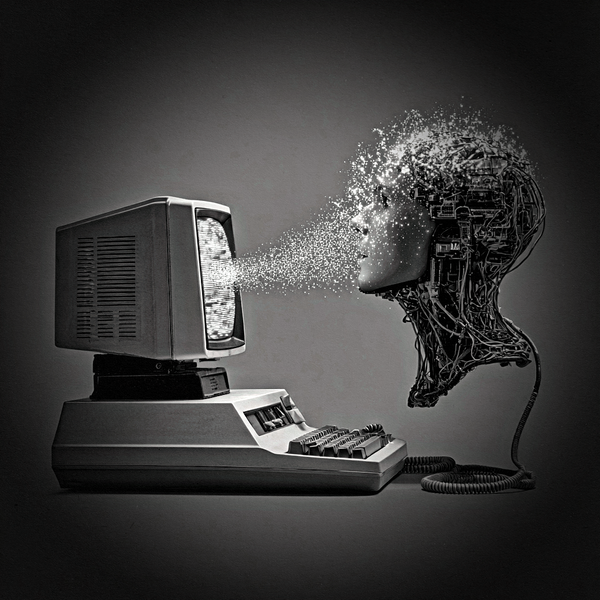
Why The Guardian’s lament for "truth" misses the point: We have the cure, we just refuse to take the medicine.
They call it "content." We call it puppetry.
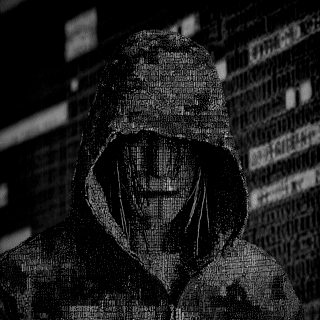
Yesterday, a video circulated on Threads and X showing the faces of Freddie Mercury, Amy Winehouse, Elvis Presley, Ozzy Osbourne, and Kurt Cobain stitched onto a single, shifting torso, singing a breakup song they never wrote. It was technically impressive. It was also morally repugnant.
This isn't just bad taste; it is Digital Necromancy. It is the reanimation of the dead for algorithmic engagement. These artists cannot consent. They cannot opt out. They have been reduced to "training data," their likenesses stripped of dignity and forced to perform like marionettes in a digital sideshow.
Today, Yanis Varoufakis wrote in The Guardian about the "menace" of deepfakes, warning that we are entering a post-truth era where we cannot believe our eyes. He is right to be worried. But he is wrong to feel helpless.
The article ends with a vague sense of dread, treating AI like a hurricane; a force of nature we must simply endure. But AI is not weather. It is code. And code has rules.
The Lie of "Unstoppable" Tech
We are being sold a myth that we are powerless to stop this. That is a lie.
The technology to verify digital authenticity has existed for decades. We use it every day for banking, for contracts, and for software updates. Cryptographic signatures. Metadata provenance. C2PA (Content Credentials).
We know exactly how to prove a video is real. We know exactly how to prove a video is AI. The problem isn't that the technology doesn't exist. The problem is that the platforms and the users are too lazy to use them.
The "Lazy Tech" Epidemic
Why doesn't YouTube or Threads mandate a "Digital Fingerprint" for every upload? Because friction kills engagement. If you had to cryptographically sign every meme you posted, the "Slop Pipeline" would slow down. And the algorithms crave speed, not truth.
So, we are left in a Wild West of our own making. We blame the "AI" for tricking us, but we are the ones clicking "Generate" on a dead person's face. We are the ones sharing the video without checking the metadata.
We are not victims of the machine. We are its enablers.
The Rational Response: Facelessness
If the platforms refuse to protect us, and the law is too slow to save us, there is only one rational response left: Take your face off the table.
This is why we wrote the Manifesto of Facelessness.
It is not a retreat. It is a security protocol. In an era where your biometric data (your face, your voice, your gait) can be stolen, warped, and weaponised by a teenager in a bedroom, "Facelessness" is no longer an artistic choice. It is a survival strategy.
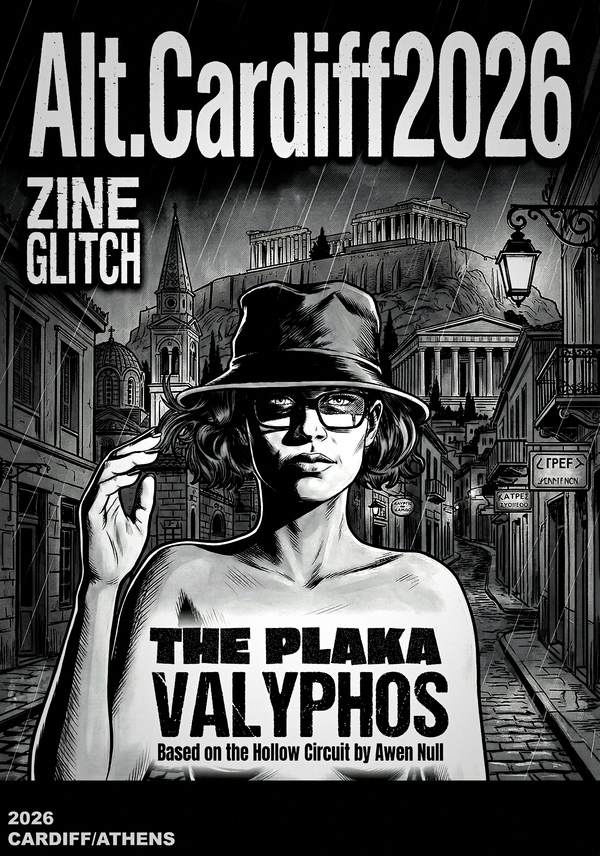
We use AI every day. We use it to build the world of Alt.Cardiff2026. We use it to generate music that captures the sound of a glitching city. But we use it as a Tool, not a Weapon.
There is a difference between creating a new sound and stealing an old voice. There is a difference between generating a character and puppeteering a corpse.
The Solution is Boring (And That’s Why It Works)
We don't need a global ban on AI. We need Provenance.
Sign Your Work: If you are an artist, use cryptographic tools to embed your identity into your files.
Important: "The corporate tools are flaky (beta). So we use two layers of truth:"
The Wrapper (C2PA): Going forward, we will attempt to sign every file via the Web Tool for easy checking.
The Core (The Hash): We will publish the SHA-256 Hash of important releases, e.g., album covers, music videos, etc., on artoffaceless.com.
Check the Chain: If a video goes viral, look for the C2PA credential. If it’s missing, treat it as fiction.
Secure Your Biometrics: Stop feeding the beast. If you don't want your face on a deepfake torso in 2026, stop giving it away in 4K resolution today.
The "Menace" isn't the AI. The menace is our own apathy. The tools to save the truth are sitting right in front of us, gathering digital dust.
It’s time we picked them up.
In this post, we use a redacted (by us) screenshot. The image depicts the unauthorised use of a deceased artist's likeness. We reproduce it here solely for critical analysis and documentation, not for entertainment.